
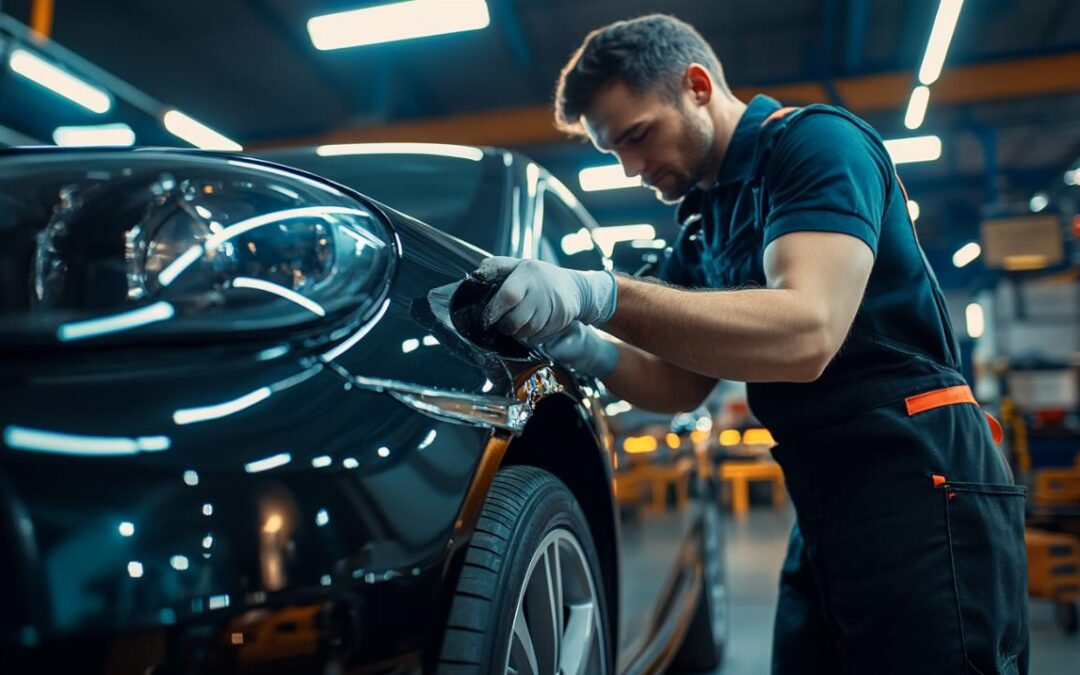
Discovering a fresh dent or unsightly scratch on your vehicle can feel rather disheartening, particularly when you take pride in maintaining its appearance. Understanding what protection is available and knowing which repairs you can tackle yourself versus those requiring professional intervention can save you both time and money. Whether you're concerned about warranty coverage, contemplating a do-it-yourself fix, or seeking assurances from a body shop, being informed about your options ensures you make the best decisions for your car's bodywork and overall value.
Understanding Warranty Coverage for Bodywork and Paint Repairs
Many motorists assume that their car warranty will automatically cover damage to the bodywork, but this is rarely the case. Standard warranties focus primarily on mechanical and electrical failures rather than cosmetic issues. Bodywork encompasses both the aesthetic appeal and structural integrity of your vehicle, including dent repair, panel replacement, and rust prevention. Since these types of damage typically fall under the category of wear and tear, they are excluded from most manufacturer and extended warranties. Damage resulting from accidents, collisions, or vandalism is generally the responsibility of your car insurance policy, not your warranty provider.
What Standard Warranties Typically Cover for Vehicle Dents and Scratches
Standard car warranties are designed to protect against defects in materials or workmanship, covering components such as the engine, transmission, alternators, and various electrical systems. They do not extend to the car's exterior surfaces, which means dents, scratches, scuffs, and other cosmetic blemishes are not included. Even when servicing reveals underlying issues, the warranty may cover those mechanical repairs, but it will not address any bodywork damage discovered during inspection. Similarly, tyres, oil changes, diagnostic tests, and routine servicing are typically excluded, though some warranties may cover towing services or minor items like light bulbs depending on the specific terms.
Extended protection plans: are they worth considering for car body repairs?
For those particularly concerned about maintaining their vehicle's appearance, cosmetic repair insurance, often referred to as scratch and dent insurance, offers a dedicated solution. This type of cover focuses specifically on minor cosmetic repairs to the car's bodywork, frequently employing SMART repair technology to address small imperfections efficiently. It does not cover major repairs, accident damage, or general wear and tear, but it can be invaluable for drivers who want to preserve their car's aesthetic appeal, especially if they have agreements such as PCP or PCH arrangements where condition matters at the end of the term. Companies like MotorEasy provide cosmetic repair insurance that covers new and used cars, including those purchased privately, and typically allows up to six cosmetic repair claims per year. Coverage often includes dent damage, scuffs, scratch damage, key vandalism, and damage extending across multiple panels up to a certain length. While not essential for every driver, this type of protection can be worthwhile if you plan to sell your car or simply wish to maintain its pristine appearance without the burden of unexpected repair costs.
Practical DIY Methods to Address Minor Dents and Surface Damage
Not every imperfection requires a trip to the garage. Many minor dents and scratches can be remedied at home with the right tools and a bit of patience. Tackling small bodywork blemishes yourself can save money and provide a sense of accomplishment, but it is important to recognise the limits of what can be achieved without professional equipment or expertise.

Tools and Techniques for Removing Small Bodywork Blemishes at Home
For shallow dents without paint damage, methods such as using a plunger or a specialist dent removal kit can often restore the panel to its original shape. These kits typically include suction devices or glue-based pullers that gently coax the metal back into place. Another popular technique involves applying heat to the affected area with a hairdryer and then using compressed air to create a rapid temperature change, causing the metal to contract and pop out the dent. For scratches, touch-up paint matched to your car's colour code can effectively conceal minor blemishes. Applying a small amount with a fine brush and allowing it to cure before polishing can yield surprisingly professional results. Scuff marks on plastic bumpers can sometimes be removed with a dedicated trim restorer or a gentle abrasive polish. Regardless of the method, working in a well-lit area and taking your time ensures the best outcome.
When to attempt repair yourself versus seeking professional assistance
While DIY repairs can be effective for superficial damage, there are clear limits to what can be safely attempted at home. Deep dents that have creased the metal, damage that has compromised the paint down to the primer or bare metal, and rust formation all require professional attention to prevent further deterioration. Similarly, damage extending across multiple panels or affecting structural components should never be addressed without expert intervention. Attempting complex repairs without the proper tools or experience can worsen the damage and ultimately cost more to rectify. A good rule of thumb is to tackle only those blemishes that are purely cosmetic, shallow, and do not involve significant paint damage or structural concerns. For anything more serious, seeking the services of a qualified body shop ensures the repair is both effective and safe.
Demanding Proper Protection: What to Expect from Quality Repair Services
When professional repairs are necessary, understanding what guarantees and protections you should demand from a body shop is essential. Not all repair services are created equal, and knowing what to look for can help you avoid substandard work and ensure your vehicle is restored to its former glory.
Guarantees you should request when having dents and scratches professionally fixed
Reputable body shops should offer a clear warranty on their workmanship, typically covering the repair for at least a year or more. This guarantee should encompass both the quality of the repair and the durability of the paint finish. When discussing your repair, ask whether the shop uses manufacturer-approved parts and paints, as these ensure colour matching and longevity. A thorough vehicle inspection report before work begins can provide peace of mind, documenting the extent of the damage and the proposed repair plan. Many quality providers also offer a free health check as part of their service, identifying any additional issues that may need attention. Ensuring that the shop is part of a recognised network, authorised and regulated by bodies such as the Financial Conduct Authority, adds an extra layer of credibility. Transparent communication about costs, timelines, and the specific work to be carried out is another hallmark of a trustworthy service provider.
Red flags that indicate insufficient warranty terms from body shops
Be wary of any body shop that is reluctant to provide a written guarantee or offers only a very short warranty period, as this may indicate a lack of confidence in their work. Vague language around what is covered, such as excluding paint fade or rust formation without clear justification, should also raise concerns. If a shop insists on cash payments only or cannot provide proof of their qualifications, certifications, or insurance, it is best to look elsewhere. Similarly, a refusal to allow you to inspect the vehicle during the repair process or an unwillingness to explain their methods and materials should be treated as warning signs. High-quality body shops will be transparent, professional, and eager to ensure customer satisfaction, often backed by strong online reviews and a solid reputation within the local community. Taking the time to research and select a provider with a robust warranty and excellent customer feedback will ultimately save you time, money, and frustration in the long run.