
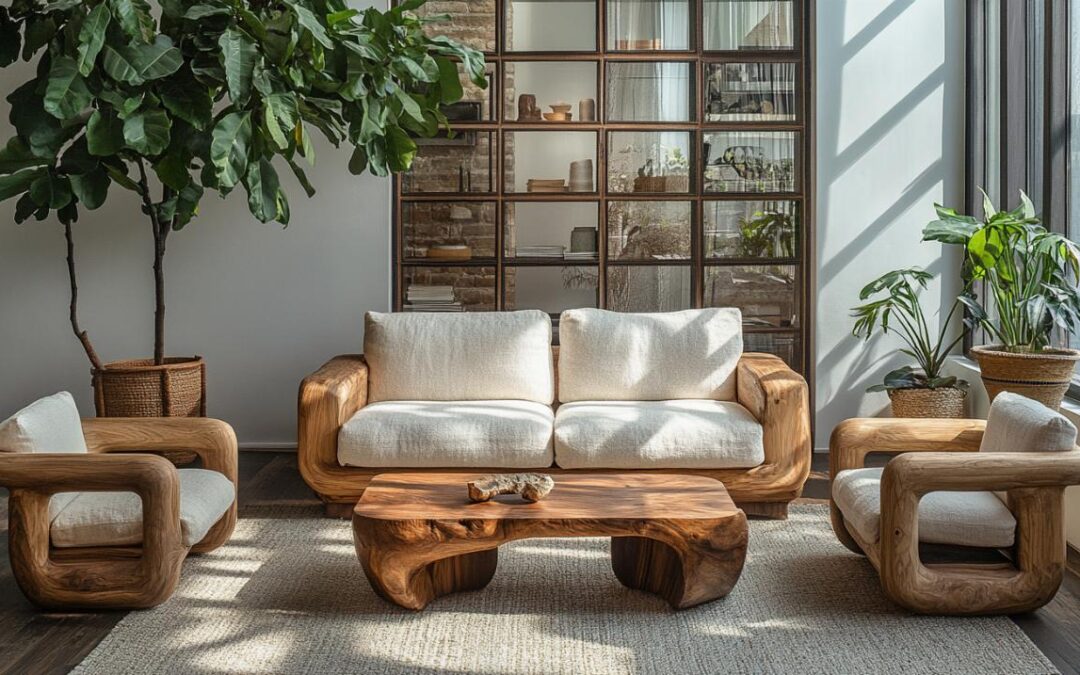
As awareness grows around environmental preservation and ethical consumption, the desire to curate a home that reflects these values has become paramount. Choosing sustainable furniture crafted from natural alternatives is no longer a niche pursuit but rather a conscious commitment embraced by eco-conscious homeowners and design enthusiasts across the United Kingdom. This journey involves understanding the origins of the materials we bring into our living spaces, supporting responsible manufacturing practices, and appreciating the lasting beauty and durability that thoughtfully chosen pieces can provide for years to come.
Understanding Natural and Renewable Materials in Furniture
Natural materials form the foundation of sustainable furniture, offering both aesthetic appeal and environmental advantages. These materials originate from sources that can be replenished over time, ensuring that the planet’s resources remain available for future generations. Understanding what qualifies as truly renewable helps homeowners make informed decisions that align with eco-friendly principles and contribute to waste reduction and responsible consumption.
What makes a material truly renewable
A material earns its renewable status when it can regenerate at a pace that matches or exceeds its rate of harvest. This balance prevents resource depletion and supports the circular economy, a model that prioritises reuse and regeneration. Bamboo, for instance, exemplifies this principle with its extraordinary growth rate, often maturing within just a few years. Similarly, cork is harvested from the bark of cork oak trees without causing harm to the tree itself, allowing the bark to regrow and be harvested again in subsequent years. These qualities ensure that the extraction of such materials does not lead to deforestation or environmental degradation, making them ideal choices for those committed to a greener home.
Benefits of Natural Materials for Your Home
Incorporating natural materials into your interior design delivers a multitude of benefits beyond environmental responsibility. Furniture crafted from organic fabrics, reclaimed wood, or hemp not only reduces your carbon footprint but also enhances indoor air quality by minimising VOC exposure. Traditional furniture often relies on synthetic finishes and adhesives that release volatile organic compounds, compromising the health of occupants. By opting for pieces finished with low-VOC treatments and made from biodegradable materials, you create a safer, healthier living space. Furthermore, natural materials tend to age gracefully, developing a unique patina over time that adds character and charm to your home.
The importance of sustainably sourced wood
Wood remains one of the most popular materials for furniture due to its versatility, warmth, and timeless appeal. However, not all timber is harvested with the same regard for environmental stewardship. Sustainably sourced wood ensures that forests are managed responsibly, balancing the needs of today with the preservation of ecosystems for tomorrow. By selecting furniture made from sustainable timber, you actively support responsible forestry and help combat the adverse effects of deforestation.
Certifications to Look for When Purchasing Timber Furniture
When shopping for wooden furniture, certifications serve as reliable indicators of ethical sourcing and environmental responsibility. The Forest Stewardship Council, commonly referred to as FSC certification, is among the most recognised and respected standards globally. This certification guarantees that the wood originates from forests managed according to rigorous environmental and social criteria, including fair labour practices and biodiversity conservation. Furniture bearing the FSC label provides assurance that your purchase supports responsible consumption and contributes to the protection of vital forest ecosystems. Always inquire about certifications when exploring new pieces, as this simple step can make a significant difference in the impact of your purchasing decisions.
How responsible forestry protects our environment
Responsible forestry practices play a crucial role in mitigating climate change and preserving biodiversity. Forests act as carbon sinks, absorbing carbon dioxide from the atmosphere and releasing oxygen, thereby reducing the overall carbon footprint of our planet. When trees are harvested sustainably, they are replaced with new growth that continues this vital function. Moreover, ethical forestry ensures that habitats for countless species are maintained, preventing the loss of biodiversity that often accompanies unchecked logging. By choosing furniture made from sustainable timber, you contribute to a system that values environmental benefits and long-term ecological health over short-term profit.
Why Bamboo is an Excellent Choice for Eco-Conscious Buyers
Bamboo has emerged as a standout material in the realm of sustainable furniture, celebrated for its rapid renewability and impressive strength. For those seeking eco-friendly furniture that does not compromise on quality or design, bamboo offers a compelling solution. Its versatility allows it to be used in everything from seating and tables to shelving and decorative accents, making it a favourite among designers and consumers alike. Additionally, bamboo’s natural beauty and durability have earned it a permanent place in modern interior design.

The remarkable growth rate of bamboo
One of the most striking features of bamboo is its exceptional growth rate, which far surpasses that of traditional hardwoods. Some species of bamboo can grow several feet within a single day, reaching full maturity in just three to five years. This rapid regeneration makes bamboo one of the most renewable resources available, significantly reducing the environmental impact associated with furniture production. Furthermore, bamboo cultivation requires minimal water and pesticides, and it can thrive on marginal lands that are unsuitable for other crops. By incorporating bamboo furniture into your home, you support a resource that embodies the principles of sustainability and responsible consumption.
Durability and Versatility in Modern Furniture Design
Despite its lightweight appearance, bamboo boasts a strength that rivals many conventional hardwoods, making it an ideal material for furniture that must withstand daily use. Its natural resilience ensures that pieces remain sturdy and attractive for years, reducing the need for frequent replacements and contributing to waste reduction. Beyond its durability, bamboo’s aesthetic flexibility allows it to complement a wide range of interior styles, from minimalist Scandinavian designs to warm, rustic settings. Designers appreciate bamboo’s ability to be shaped, stained, and finished in various ways, offering endless possibilities for creative expression. Whether you are furnishing a dining room, office, or bedroom, bamboo provides a sustainable and stylish option that aligns with eco-conscious design principles.
Exploring natural upholstery options
Upholstery plays a vital role in the comfort and appearance of furniture, yet it is often overlooked when considering sustainability. Many conventional upholstery materials contain synthetic fibres and chemical treatments that release harmful VOCs into the home environment. Fortunately, a growing array of natural and organic alternatives offers both comfort and environmental responsibility. By selecting furniture with sustainable fabrics and fillings, you can create a healthier living space while supporting ethical manufacturing practices.
The advantages of natural latex cushioning
Natural latex, derived from the sap of rubber trees, is increasingly recognised as a superior cushioning material for furniture. Unlike petroleum-based foams, natural latex is biodegradable and free from toxic chemicals, making it a healthier choice for your home. It offers excellent support and resilience, maintaining its shape and comfort over time without the sagging that often plagues synthetic alternatives. Moreover, natural latex is naturally resistant to dust mites and mould, contributing to improved indoor air quality. For those seeking a greener home with furniture designed to last longer, natural latex cushioning represents an investment in both comfort and sustainability. Its production also supports responsible consumption by utilising a renewable resource that can be harvested without harming the trees.
Organic Cotton and Its Role in Healthier Living Spaces
Organic cotton is another exemplary material for sustainable upholstery, grown without the use of synthetic pesticides or fertilisers. This method of cultivation not only protects the health of farm workers and surrounding ecosystems but also results in a fabric that is softer and free from chemical residues. Organic cotton is breathable, durable, and ideal for a variety of furniture applications, from sofa covers to cushion casings. In combination with other sustainable fabrics such as linen, organic cotton contributes to a more conscious and health-focused interior design. When selecting furniture, look for pieces upholstered in organic cotton to ensure that your home remains a sanctuary free from unnecessary toxins. This choice aligns with the principles of ethical sourcing and supports a circular economy that values the well-being of both people and the planet.
Non-Toxic Finishes for a Safer Home Environment
The finishes applied to furniture can have a significant impact on indoor air quality and the overall safety of your home. Traditional stains, varnishes, and sealants often contain high levels of volatile organic compounds that can off-gas for months or even years after application. These emissions contribute to poor air quality and can cause a range of health issues, from headaches to respiratory problems. Fortunately, non-toxic and low-VOC finishes are now widely available, offering a safer alternative for eco-conscious buyers who prioritise the health of their households.
Understanding water-based stains and sealants
Water-based stains and sealants have gained popularity as a more environmentally friendly option for finishing wood furniture. Unlike their solvent-based counterparts, water-based products emit far fewer VOCs and dry more quickly, reducing the risk of prolonged exposure to harmful chemicals. These finishes provide excellent protection for wood surfaces while allowing the natural beauty of the grain to shine through. Many manufacturers now offer a range of colours and finishes that cater to diverse aesthetic preferences, from matte to glossy. When shopping for furniture, inquire about the type of finish used and prioritise pieces treated with water-based products. This simple step can make a substantial difference in the air quality of your home and demonstrates a commitment to sustainable shopping and ethical consumption. Picture yourself appreciating the craftsmanship of a well-finished table while knowing that it contributes to a healthier environment, much like the pleasure of admiring well-maintained automobile and moto vehicles in nature, where the beauty of design meets respect for the surroundings.
How to Identify Furniture with Safe, Low-VOC Treatments
Identifying furniture finished with safe, low-VOC treatments requires a bit of diligence, but the effort is well worth the reward. Start by reading product descriptions and labels carefully, looking for terms such as low-VOC, water-based, or non-toxic. Many reputable manufacturers and local artisans are transparent about their finishing processes and are happy to provide detailed information upon request. Additionally, certifications from recognised organisations can serve as trustworthy indicators of safe finishes. When visiting consignment shops or vintage furniture outlets, do not hesitate to ask about the provenance and treatment of pieces. Even if an item was finished years ago, understanding its history can help you make an informed decision. By prioritising furniture with safe finishes, you protect your family’s health and contribute to a broader movement towards responsible consumption and greener homes. This approach not only enhances your living space but also supports the environmental benefits of reduced chemical pollution and improved air quality.